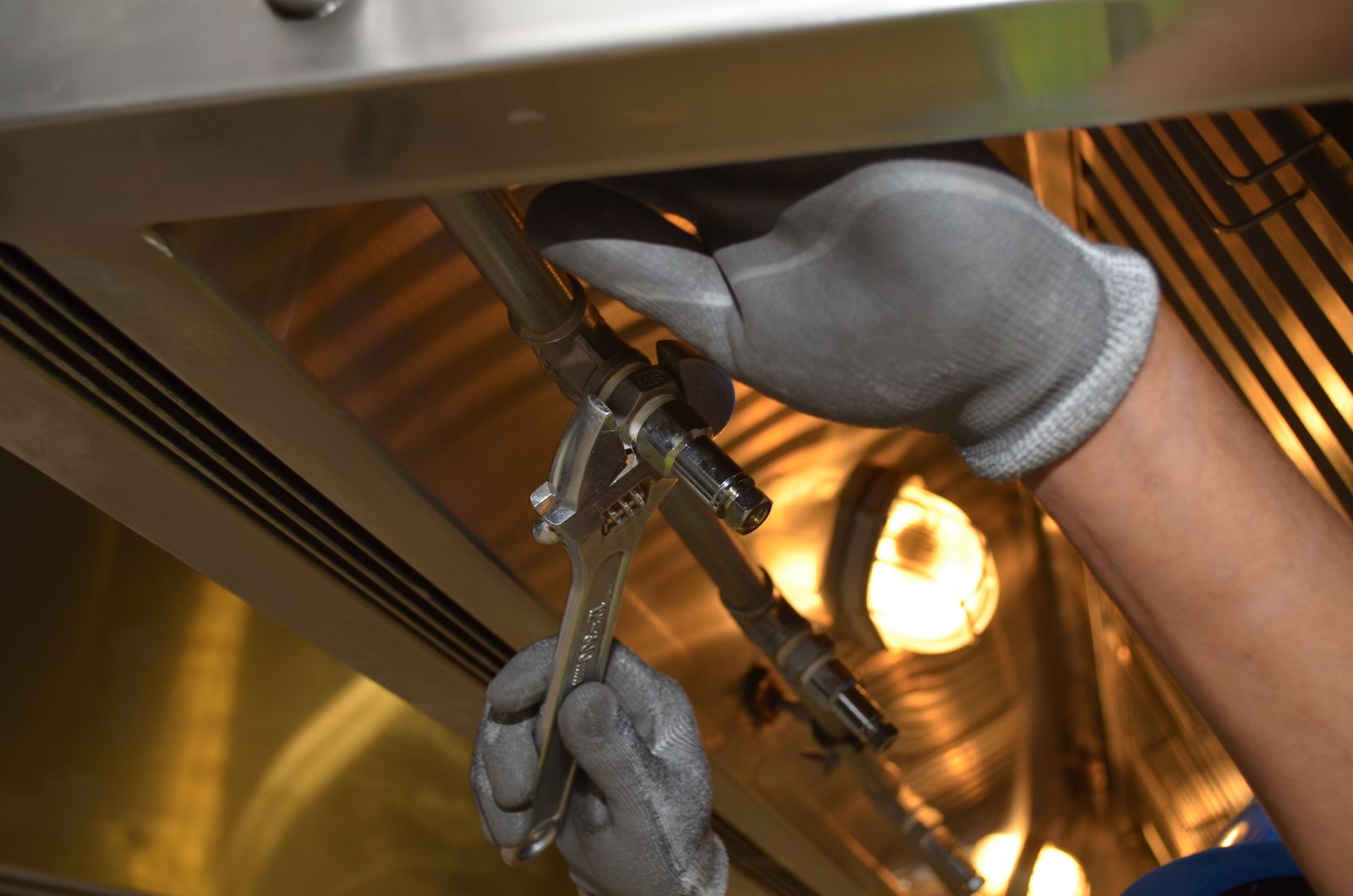
Where water is hard, water heaters feel it. Minerals settle in tanks, coat elements and scale up tankless heat exchangers. Routine care will not make a heater last forever, but it helps it run the way it should and brings problems to light while they are still small.
We connect you with experienced local pros for routine service on tank and tankless units. Call to book, and a tech arrives knowing what kind of heater you have.
What a water heater flush and yearly service include
A typical service visit covers a visual check for leaks and corrosion, a water heater flush to clear sediment, an inspection of the anode rod where it can be reached, a look at the relief valve and expansion tank, and on gas units a check of the burner, venting and draft. Tankless units are descaled and have their inlet filters cleaned.
The tech tells you what they found and what, if anything, needs attention. Nothing is replaced without your say-so, and if everything looks good, you hear that too.
| Task | Why it matters | Who does it |
|---|---|---|
| Flush sediment | Less rumbling and more usable hot water | Technician |
| Anode rod check | Helps protect the tank lining | Technician |
| Relief valve and expansion tank check | Keeps pressure protection working | Technician |
| Burner and venting check on gas units | Clean combustion and a proper draft | Technician |
| Descaling on tankless units | Fewer scale faults and better efficiency | Technician |
| Watching for drips and moisture | Catches leaks early | You, between visits |
Sediment in water heater tanks
Sediment in a water heater is mostly minerals that drop out of hard water as it heats. It settles on the bottom of the tank, where it can cause rumbling and popping on gas units, take up space that should hold hot water, and coat the lower element on electric units.
A flush drains water from the bottom of the tank to carry some of that sediment out. On a tank that has never been flushed, a heavy layer may not clear completely, and the tech will say so honestly rather than promise more than a flush can do.
The anode rod: checks and anode rod replacement
The anode rod is a metal rod inside the tank that corrodes on purpose, so the tank lining does not. Once it is used up, the tank itself is more exposed. Checking it means removing it from the top of the tank, which the tech does when there is enough clearance above the heater.
Anode rod replacement is a modest job compared with replacing a tank, which is why it is worth checking. A rotten-egg smell from the hot water can sometimes be linked to the anode as well, and the tech can talk you through the options.
Not sure when the heater was last serviced? That is fine. The tech starts by checking its condition.
Get a straight answer by phoneRelief valve and expansion tank checks, by the technician
The temperature and pressure relief valve and the expansion tank both protect the system from excess pressure. The technician checks that the valve and its discharge pipe are in good order and that the expansion tank is doing its job.
Please leave the relief valve alone yourself. Opening it can release scalding water, and an older valve may not seat properly again afterwards.
Tankless descaling
Tankless heaters on hard water collect scale inside the heat exchanger. Descaling circulates a solution through the unit to dissolve it, followed by a flush and a clean of the inlet filter. Many tankless units have isolation valves fitted for exactly this purpose, and if yours does not, the tech can tell you whether adding them would make future service easier. Our tankless water heater page explains why scale is behind so many tankless error codes.
What you can watch for between visits
You do not need tools to keep an eye on a water heater. A quick look every so often, especially if it sits in a closet, can catch problems while they are small.
- Moisture, rust trails or white mineral crust around the fittings on top.
- Water in the drain pan or on the floor around the base.
- New noises such as rumbling, popping or knocking when the heater runs.
- Hot water that runs out sooner than it used to, or arrives lukewarm.
- Rusty or cloudy hot water while the cold water runs clear.
If you notice any of these, call and describe what you saw. Please do not open the relief valve, relight a pilot or touch electrical controls to investigate. Those checks are part of the technician's visit.
When maintenance is no longer worth it
Maintenance helps a sound heater, but it cannot fix a tank that is leaking or heavily corroded. If the tech finds a failing tank, they will say so rather than sell you a service that will not help.
At that point, our leaking water heater page explains the warning signs, and water heater installation covers what a replacement involves, from sizing to straps and the drain pan.
Water heater maintenance in Aliso Viejo homes
Sediment is the common thread in any tank that goes unflushed. Whether your tank sits in the garage of a late-1980s home like those on our water heater repair in Laguna Audubon page or in a closet in one of the condos around the country club, covered under water heater repair in Glenwood, sediment builds up the same way.
Garage installs are usually easy to service. Closet installs can be tighter, and some leave little room above the tank to pull an anode rod, so mention the location when you book. For many households, water heater maintenance in Aliso Viejo comes down to regular flushing, an anode check and descaling for tankless units.