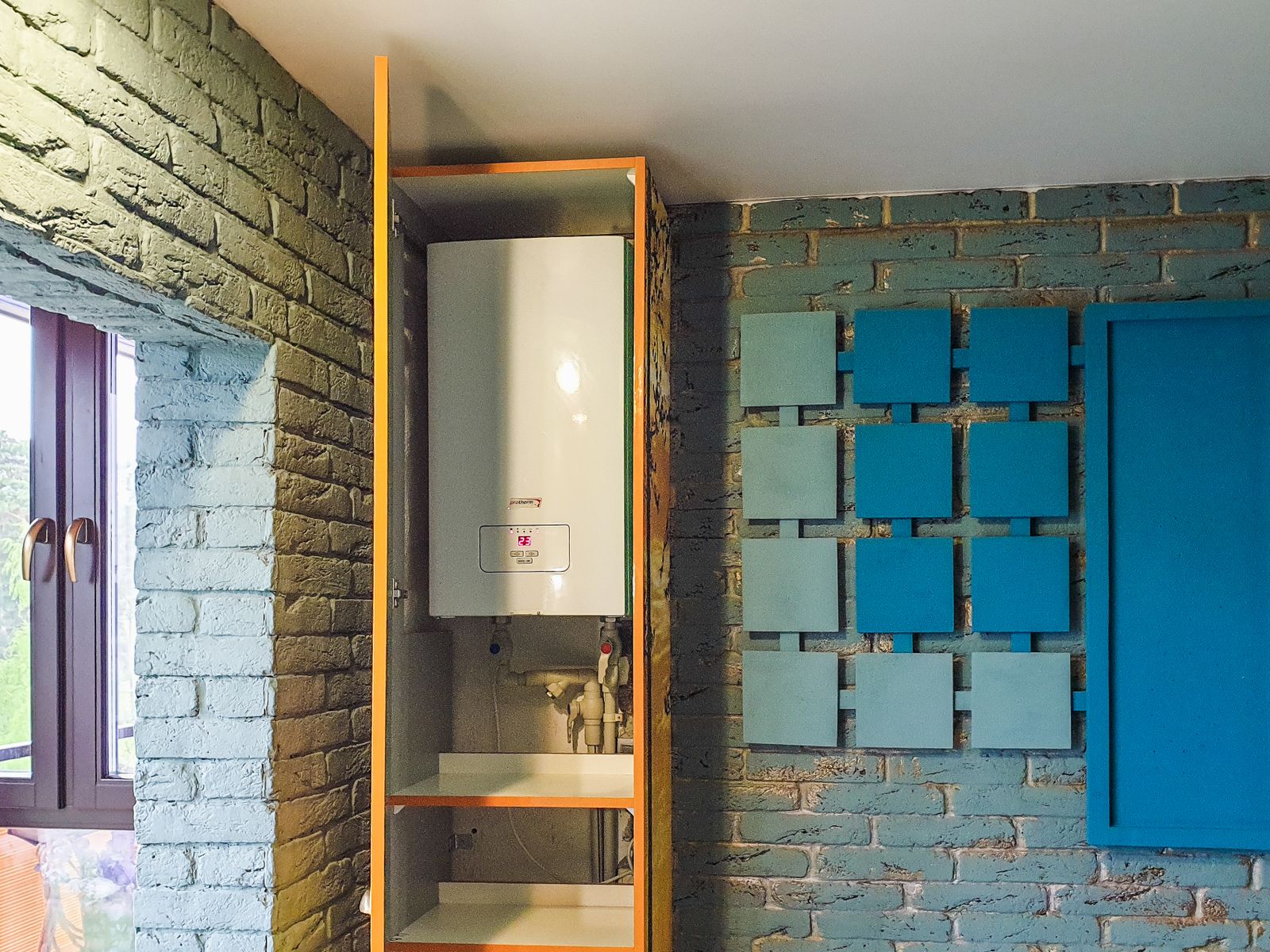
Tankless units have become a popular upgrade in Aliso Viejo remodels, and the mild coastal climate suits them well. They are not right for every home, though, and an older unit full of scale can be just as frustrating as a worn-out tank.
We connect you with local pros who install, convert and repair tankless heaters. Call, describe your home or the code on the display, and a technician is sent with the right questions already answered.
Below is a plain guide to how tankless works, what a conversion involves and what usually goes wrong.
How a tankless heater works
A tankless heater warms water only when a hot tap opens. The unit senses flow, the burner or electric elements switch on, and water passes through a heat exchanger on its way to the fixture. When the tap closes, the unit shuts down.
That on-demand design means there is no stored tank to reheat, and the unit itself mounts on a wall. The trade-off is that capacity is measured in flow. If several showers, a dishwasher and a washing machine all draw hot water at once, a unit sized too small struggles to hold the temperature steady.
Is tankless a good fit for this home?
Three things decide whether a tankless unit makes sense: the gas supply, the venting route and the flow your household needs. Gas tankless units usually draw more gas at full fire than a standard tank, so the tech checks whether the existing line and meter can supply it. Venting has to run safely to the outside, which in a gated or HOA community can raise questions about where a vent may end.
Electric tankless units avoid gas and venting entirely but can call for significant electrical capacity. The pro looks at what your electrical service can support, and if panel work is needed, a separate electrician handles it.
Flow is the last piece. The tech asks how your home uses hot water at its busiest moment and sizes the unit to match, rather than guessing from square footage.
Tank to tankless conversion: what changes
A tank to tankless conversion is more than a swap. The old tank comes out, the new unit is mounted, and the water, gas and venting connections are rerouted to suit it. Many homeowners like the floor space they get back in the garage or closet.
Tankless water heater installation is planned around your existing setup, so the scope depends heavily on what is already there. The pro explains exactly what has to change before you decide, and whether a high-efficiency tank might suit you better instead.
Unit showing a code right now? Write it down, leave the unit alone and call. The code helps the right tech arrive prepared.
Speak with a local water heater techTankless water heater repair: error codes, scale and ignition
Most tankless units report trouble with an error code on the display. Common culprits include scale inside the heat exchanger, a clogged inlet filter, ignition or flame-sensing problems on gas models, and venting or combustion air issues.
A code points in a direction, but it is not a diagnosis. Please do not open the unit or reset it again and again. Note the code, then call. Tankless water heater repair starts with the tech confirming what the code means on your model and testing the parts it points to.
Scale is the big one wherever water is hard. It coats the heat exchanger, cuts efficiency and can trigger overheating codes. If the unit cuts out mid-shower, or you end up with no hot water at all, scale or a flow sensor is often involved.
Descaling and yearly care on hard water
Descaling circulates a mild solution through the heat exchanger to dissolve mineral buildup. On hard water, regular descaling is the most useful thing you can do for a tankless unit, and the tech can suggest a sensible interval based on what they find inside.
A service visit usually includes cleaning the inlet filter, checking venting and combustion on gas units and looking for small leaks at the connections. Tankless units can drip too, and the leaking water heater page explains which warning signs to watch for.
Tank vs tankless, honestly
Neither choice is right for everyone. A tank stores hot water and handles several fixtures at once well, and replacements are usually simpler. Tankless saves space and keeps going as long as it is sized correctly, but installation involves more work where lines and venting have to change.
If you are replacing a gas water heater, the tech can price both options side by side so you can compare them fairly.
| Tank water heater | Tankless water heater | |
|---|---|---|
| Hot water supply | Stored, can run out after heavy use | Made on demand, limited by flow rate |
| Space | Floor space in a garage or closet | Wall mounted, saves floor space |
| Gas supply | Standard line usually fine | Often needs a larger supply |
| Venting | Standard flue or power vent | Dedicated venting for the unit |
| Care on hard water | Flushing sediment | Descaling the heat exchanger |
| Suits | Big simultaneous demand, simple swaps | Steady demand, homes short on space |
Tankless water heater in Aliso Viejo homes
Larger two-story homes on the canyon edge, described on our water heater repair in Westridge page, often have several bathrooms in use at once, so tankless sizing there needs real care. Some owners choose two units or a high-capacity model rather than one small one.
The around-1990 homes covered under water heater repair in Pacific Ridge tend to have three-car garages, which gives room for a wall-mounted unit and a clean venting route. Condos are more varied, and the HOA may have views on where exterior vents can go.
A tankless water heater has to cope with scale wherever water is hard, so plan on descaling as part of owning one.
